
New Year traditions around the world: Food, Love, Superstitions and the Story Behind the Celebration 🎆🌍
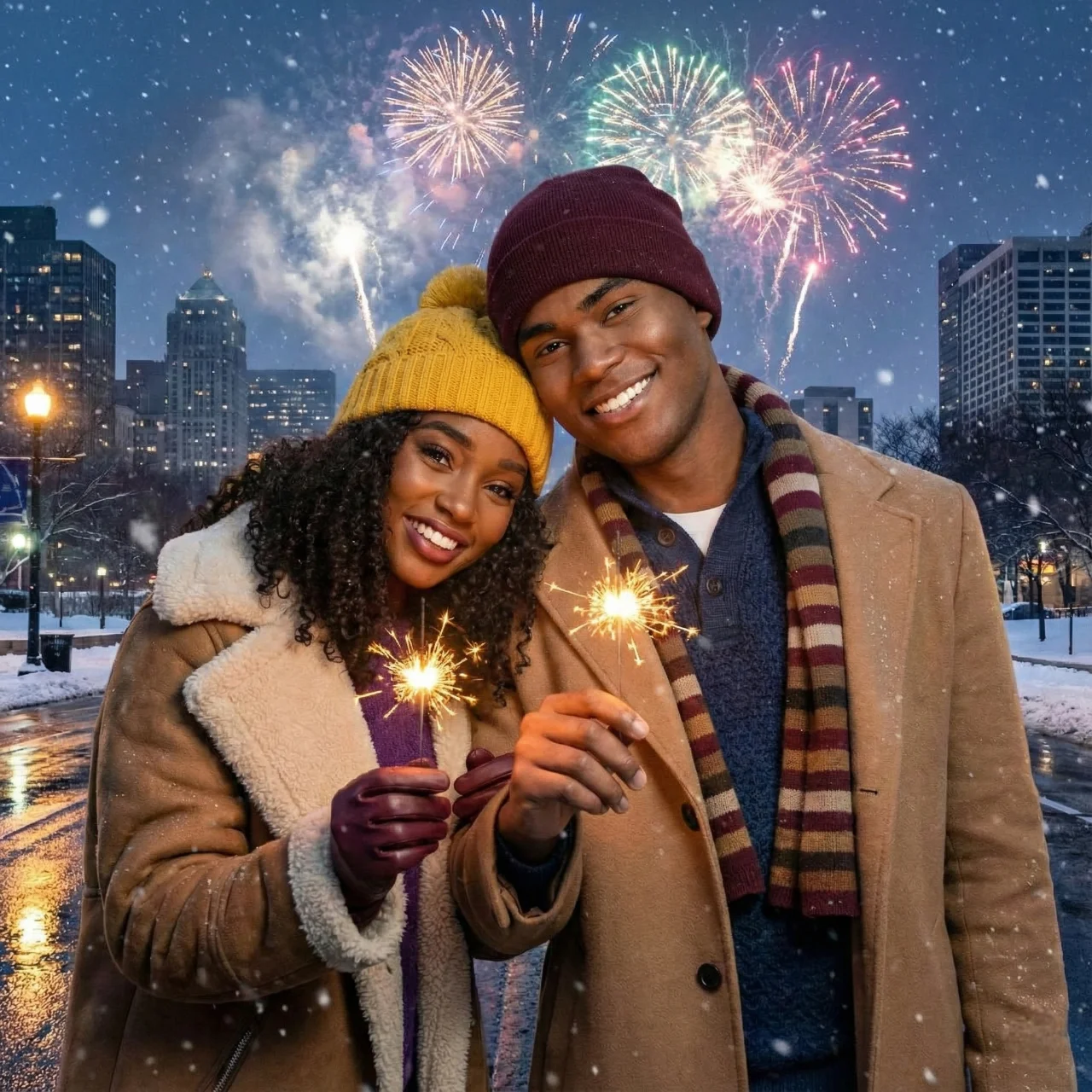
The New Year is one of the few celebrations that truly unites the world. No matter the country, culture, or religion, people everywhere pause to say goodbye to the past and welcome a fresh beginning. From symbolic foods and romantic rituals to powerful superstitions and ancient traditions, New Year celebrations reflect humanity’s shared hope for happiness, prosperity, and love.
In this complete guide New Year traditions around the world, we explore why people celebrate New Year, when it began, and how food, love, and superstition shape customs around the globe.
Why Do People Celebrate New Year traditions around the world? 🎉
At its core, the New Year represents renewal, rebirth, and hope. It marks the end of one cycle and the start of another—an opportunity to reflect, reset, and dream again.
People celebrate the New Year to:
- Leave behind past struggles
- Welcome prosperity, health, and happiness
- Strengthen family and social bonds
- Set intentions and resolutions
- Align life with time, seasons, and nature
Across cultures, the New Year symbolizes a clean slate, making it one of humanity’s most emotionally powerful New Year traditions around the world.
When Did People Start Celebrating the New Year traditions around the world? 📜
The Origins of New Year traditions around the world
The first known New Year celebrations date back over 4,000 years to ancient Mesopotamia.
- Around 2000 BCE, Babylonians celebrated the New Year during the spring equinox
- The festival, known as Akitu, lasted 11 days and honored renewal and fertility
- It was linked to agricultural cycles rather than a fixed calendar date
Which Year Did January 1st Become New Year’s Day? 🗓️
The modern New Year date began with the Roman calendar.
- In 46 BCE, Julius Caesar introduced the Julian calendar
- He declared January 1st as the start of the New Year
- January was named after Janus, the Roman god of beginnings, doors, and transitions
Later, the Gregorian calendar (1582) refined this system, and January 1st became the globally recognized New Year’s Day used today.
New Year Food Traditions Around the World 🍽️✨
Food plays a central role in New Year customs, symbolizing abundance, luck, and prosperity.
Popular New Year Food Traditions:
- Grapes (Spain & Latin America): Eating 12 grapes at midnight brings luck for each month
- Lentils (Italy): Symbolize wealth and financial success
- Fish (Japan & Scandinavia): Represents abundance and forward movement
- Rice (Asia & Middle East): A symbol of fertility and blessings
- Round foods (Global): Cakes, bread, and fruits symbolize wholeness and continuity
In the UAE, New Year celebrations often combine international cuisines with family feasts, reflecting the country’s rich multicultural identity.
Love & Romance Traditions on New Year’s Eve ❤️
The New Year is deeply connected to love, relationships, and emotional renewal.
Romantic Customs Include:
- Kissing at midnight: Believed to secure love and prevent loneliness in the coming year
- Red clothing (Latin cultures): Worn to attract passion and romance
- Love predictions: Writing wishes or names to reveal future partners
- Renewing vows: Couples reflect on their relationship and set shared goals
In many cultures, who you spend the first moments of the New Year with is believed to shape the emotional tone of the year ahead.
New Year Superstitions That Still Shape Traditions 🔮
Superstitions are powerful elements of New Year customs, blending ancient beliefs with modern rituals.
Common New Year Superstitions:
- Don’t clean or sweep on New Year’s Day (to avoid sweeping away luck)
- Wear new clothes for prosperity
- Avoid arguments to ensure harmony
- Enter the New Year with money in your pocket
- Make noise (fireworks, drums, bells) to chase away evil spirits
These beliefs are rooted in humanity’s desire to control the unknown future and attract good fortune.
How Different Cultures & New Year traditions around the world 🌏
- Middle East: Fireworks, family gatherings, luxury dining, and city celebrations
- Asia: Lunar New Year focuses on family, ancestors, and prosperity
- Europe: Street festivals, countdowns, and symbolic foods
- Africa: Cultural dances and spiritual cleansing rituals
- Americas: Parades, music, fireworks, and midnight traditions
Despite cultural differences, the message is the same: hope, unity, and renewal.
Why New Year traditions around the world Still Matter Today 🌟
In a fast-paced world, New Year traditions remind us to:
- Pause and reflect
- Reconnect with loved ones
- Honor cultural heritage
- Set intentions for personal growth
In global cities like Abu Dhabi, New Year celebrations beautifully blend tradition and modernity, welcoming people from every corner of the world.
Final Thoughts: A Celebration That Unites Humanity 🌍✨
The New Year is more than a date—it is a shared human moment. From ancient Babylonian rituals to modern fireworks in Abu Dhabi, New Year traditions continue to evolve while preserving their deepest meaning: hope for a better tomorrow.
No matter how or where it’s celebrated, the New Year remains a timeless reminder that every ending brings a new beginning.


